- Home/
- Buy Rybelsus Without Prescription in the United States Online
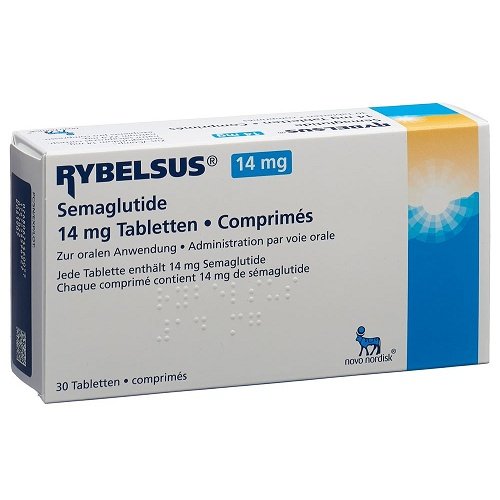
| Medication Name | Rybelsus |
|---|---|
| Main Compound | Semaglutide |
| Intended Use | Management of Type 2 Diabetes in adults |
| Tablet Strengths | 3 mg, 7 mg, 14 mg |
| How Fast It Begins to Work | Within several days; full glucose-lowering effect in 4–5 weeks |
| How Long One Dose Lasts | Approximately 24 hours |
| How to Take | Once daily, on an empty stomach |
| Prescription Status in United States | Prescription required (per FDA) |
| Average Price Range | $800–$950 for 30 tablets (varies by dosage and pharmacy) |
Rybelsus: Oral Semaglutide for Type 2 Diabetes Management in the United States
Rybelsus is an oral medication designed to help adults manage Type 2 Diabetes by improving blood sugar control. Approved and regulated by the U.S. Food and Drug Administration (FDA), it is available by prescription across the United States. The medication offers a non-injectable alternative for those seeking effective glycemic management under the supervision of a healthcare provider.
Type 2 Diabetes: A Common, Manageable Condition
Type 2 Diabetes now affects millions of people across the United States, and its frequency continues to increase. According to the Centers for Disease Control and Prevention (CDC), in 2022 more than 37 million Americans were living with diabetes, with approximately 90–95% of these cases being Type 2. These numbers may seem overwhelming, but it is important to recognize that effective treatments—including new oral options—are now widely accessible. For most people, blood sugar can be managed, risks can be reduced, and the quality of life can be protected with the right approach and support.
How Rybelsus Targets Type 2 Diabetes: The Physiological and Practical Impact
Rybelsus contains semaglutide, a medication that mimics a naturally occurring human hormone called GLP-1 (glucagon-like peptide-1). In Type 2 Diabetes, blood sugar rises because the body either doesn’t produce enough insulin or becomes resistant to it. GLP-1 works by stimulating the pancreas to release insulin when blood sugar is high, suppressing the release of another hormone (glucagon) that raises glucose, and slowing the emptying of the stomach to prevent sharp rises in sugar after eating.
The result? With daily use, most patients experience a gradual improvement in blood sugar control. This can mean steadier energy levels, fewer spikes and crashes, and—over time—a lower risk of diabetes complications such as cardiovascular disease or nerve damage. Some people also notice a modest reduction in weight, as the slowed stomach emptying tends to reduce appetite.
- Pancreatic effect: Encourages more insulin release only when needed, lowering the risk of low blood sugar compared to some medications.
- Appetite and digestion: Helps you feel fuller sooner, leading to potential weight loss and improved metabolic health.
- Daily convenience: Oral tablet form eliminates the need for injections and fits easily into a morning routine.
In clinical studies submitted to the FDA, Rybelsus significantly reduced blood sugar (HbA1c) and supported weight loss in adults with Type 2 Diabetes. However, individual response times and the degree of benefit can vary.
Is Rybelsus Right for Me? Choosing the Best Option
| Your Situation | Recommended Approach | Rationale |
|---|---|---|
| You have Type 2 Diabetes, prefer oral medications, and diet/exercise alone are not enough | Rybelsus (3 mg to start, titrate up as directed) | Once-daily pills are convenient, and Rybelsus is proven effective for many people seeking a non-injectable option |
| You have Type 2 Diabetes, but also have chronic gastrointestinal problems (e.g., severe gastroparesis) | Consider other treatments | Rybelsus slows stomach emptying and may worsen digestive issues. Alternative classes may be safer |
| You need to avoid injections, have struggled with other oral diabetes medications, and are at risk for cardiovascular disease | Rybelsus (after doctor review) | Cardiovascular benefit shown in some studies; oral route may improve adherence for those who dislike injections |
| You have a history of medullary thyroid carcinoma or Multiple Endocrine Neoplasia syndrome type 2 | Do not use Rybelsus | Rybelsus is contraindicated because of a possible risk of thyroid tumors |
| You are pregnant or planning pregnancy | Consult your physician; Rybelsus is generally not recommended | Safety during pregnancy is not established; alternative management may be needed |
These scenarios are not exhaustive. A healthcare professional can help determine the most appropriate therapy for your individual situation, considering your medical history, other medications, and treatment goals.
Practical Use: How Rybelsus Fits into Real Life
- When to take: Take Rybelsus once daily, first thing in the morning, with no more than 4 ounces of plain water. Wait at least 30 minutes before eating, drinking (other than water), or taking other oral medications.
- With or without food: Always on an empty stomach for best absorption.
- If you miss a dose: Skip the missed dose and take your next dose the following day as usual. Do not double up or take extra tablets.
- If you do not see improvement: Blood sugar changes may take several weeks. If after 8–12 weeks your readings remain high, consult your physician to reassess your plan.
- What is normal: Mild nausea, decreased appetite, or slight gastrointestinal discomfort often occur at the start but usually improve over time.
- What requires attention: Persistent vomiting, dehydration, inability to keep fluids down, or signs of an allergic reaction (swelling, difficulty breathing) require prompt medical attention. If you experience severe symptoms, call 911 or go to the nearest emergency department in the United States.
Building a new medication into your daily routine may require a few adjustments, but most people adapt quickly with proper guidance.
Who Should Not Take Rybelsus—and Why
- History of medullary thyroid carcinoma (MTC) or Multiple Endocrine Neoplasia syndrome type 2 (MEN 2): Rybelsus is not suitable because studies in animals have shown a risk of thyroid tumors, and this risk cannot be ruled out in humans.
- Allergy to semaglutide or any of the tablet’s inactive ingredients: Due to potential for a severe allergic reaction, Rybelsus is not advised in this scenario.
- Pregnancy and breastfeeding: The safety of Rybelsus has not been established in pregnant or breastfeeding women; other therapies may be safer during these periods.
- Severe gastrointestinal disease (such as gastroparesis): Because Rybelsus delays gastric emptying, it can worsen symptoms or complicate management of these conditions.
- Children and adolescents: Rybelsus is not approved for use in individuals under 18 years old.
If you are unsure whether any of these apply to you, discuss your health history openly with your healthcare provider before starting Rybelsus.
Possible Side Effects: What to Expect and When to Seek Help
- Frequently reported: Nausea, decreased appetite, diarrhea, vomiting, stomach pain, and constipation. These effects often begin early and tend to fade as your body adjusts.
- Less common but important: Signs of dehydration (dizziness, low urine output), persistent abdominal pain (especially if accompanied by vomiting), or vision changes.
- Serious but rare: Severe allergic reaction (swelling of face/lips/tongue, difficulty breathing), signs of pancreatitis (severe, persistent abdominal pain that may spread to the back, often with vomiting). If any of these occur, seek emergency help immediately by calling 911 in the United States.
Most side effects resolve without intervention, but any persistent or severe symptom should be discussed with your healthcare provider. Your doctor can adjust the dose or recommend supportive care as needed.
Drug Interactions: What to Watch For
Rybelsus has the potential to interact with certain other medications, especially those that require precise absorption or are sensitive to changes in stomach emptying.
- Other diabetes medications: When used with insulin or sulfonylureas, the risk of low blood sugar may increase. Dose adjustments may be necessary and blood sugar should be monitored more closely.
- Medications requiring rapid absorption: Because Rybelsus slows the stomach, it may affect how quickly tablets like thyroid hormone or certain antibiotics are absorbed. Separate these by at least 30 minutes whenever possible.
- Other GLP-1 agonists: Do not combine Rybelsus with other drugs in the same class (such as Ozempic or Trulicity) without explicit instruction from your provider—the risk of side effects increases with duplication.
Always provide your doctor or pharmacist with a full list of your medications before starting Rybelsus. If ever in doubt, a quick call to your healthcare team is the safest step.
Alternatives and How Rybelsus Compares
| Medication | Form | When It’s Preferred | Limitations |
|---|---|---|---|
| Rybelsus (Semaglutide oral) | Tablet | Ideal for those who want to avoid injections and need potent blood sugar lowering with possible weight loss | Higher cost, possible GI side effects, not for patients with certain thyroid conditions |
| Ozempic (Semaglutide injection) | Weekly injection | Good for patients who prefer once-weekly dosing or have difficulty with daily medications | Requires injection; not suitable for needle-averse individuals |
| Metformin | Tablet | First-line for most newly diagnosed; affordable; safe long-term profile | Less effective for weight loss; some experience GI intolerance |
| Trulicity (Dulaglutide injection) | Weekly injection | Alternative GLP-1 agonist; suitable for injection-tolerant patients needing strong A1c reduction | Same class limitations; higher cost |
| Jardiance (Empagliflozin) | Tablet | Useful for those with heart failure or chronic kidney disease—cardiorenal benefits | Risk of genital infections; not always covered by insurance |
Rybelsus stands out for its oral delivery and proven efficacy for many patients. However, injectable options may be more convenient for those who struggle with daily dosing or have specific insurance coverage limits. Metformin remains foundational but may not provide sufficient glycemic control for everyone. Your doctor can help you weigh these factors based on your clinical profile and preferences.
What You Will Actually Pay: Real Costs of Rybelsus in the United States
| Cost Item | Amount | Note |
|---|---|---|
| Physician Consultation | $100–$300 | Varies by location and insurance; telemedicine often less expensive |
| Prescription Processing | $0–$25 | Some pharmacies may charge this fee; often included in consultation |
| Rybelsus Medication (30 tablets) | $800–$950 | Depends on dosage; discounts, insurance, and copay cards may reduce cost |
| Delivery (if mail order) | $0–$25 | Standard or expedited shipping; varies by pharmacy |
| Total Out-of-Pocket Cost | $900–$1,300 | Without insurance; lowest cost is with telemedicine and copay assistance |
Insurance coverage can dramatically reduce these costs. Many manufacturers offer copay assistance or savings programs, and online telemedicine platforms may combine consultation and prescription services for reduced fees. Always check both local and reputable online pharmacies for options.
What If I Need to Switch Medications or Stop Rybelsus?
Changing diabetes medications is common, especially if personal health situations shift or unexpected side effects arise. If you and your healthcare provider decide Rybelsus is not the best fit—whether due to cost, tolerability, or new medical information—do not stop abruptly. Instead, a plan for transitioning to another therapy will minimize blood sugar fluctuations and keep you safe. Regular follow-up and monitoring are important during any medication switch.