- Home/
- Buy Glucophage Online in the United States Safely and Easily
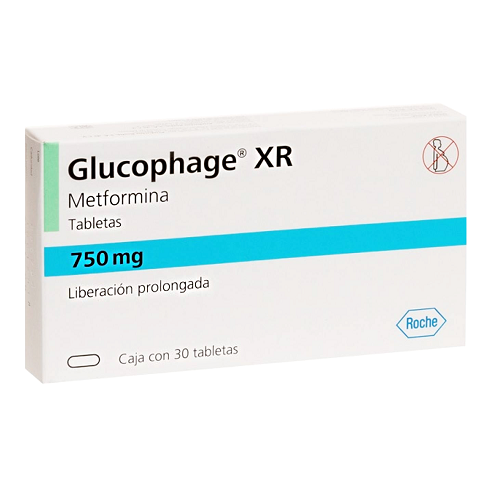
Can you obtain Glucophage without a prescription in the United States?
Key Takeaways: Glucophage at a Glance
| Parameter | Details (as of 2026, United States) |
|---|---|
| Active Ingredient | Metformin Hydrochloride |
| Brand Name | Glucophage (and generics) |
| Main Indication | Type 2 Diabetes Mellitus |
| Prescription Status | Prescription-only (Rx only) |
| Usual Starting Dose | 500 mg once or twice daily with food |
| Peak Effect | 2–3 hours (immediate-release), up to 7 hours (extended-release) |
| Main Contraindication | Severe kidney or liver disease |
| Insurance Coverage | Commonly covered by Medicare, Medicaid, and most private plans |
| Cost (2026, U.S.) | Generic: $4–$10/month; Brand: $30–$70/month |
How does Glucophage (Metformin) actually work in the body?
Glucophage, which contains the active ingredient Metformin, is a first-line oral medication for type 2 diabetes. It belongs to a drug class called biguanides. Its main action is to lower blood glucose by improving the body’s sensitivity to insulin and decreasing hepatic (liver) glucose production.
- Primary Mechanisms of Action:
-
- Inhibits hepatic gluconeogenesis: Metformin suppresses the liver’s production of new glucose by inhibiting mitochondrial respiratory-chain complex I, which decreases ATP and increases AMP, leading to reduced activity of gluconeogenic enzymes1.
- Increases peripheral glucose uptake: Improves skeletal muscle glucose uptake via enhanced insulin sensitivity, allowing more glucose to be used for energy.
- Decreases intestinal absorption of glucose: Less glucose enters the bloodstream from the gut.
In plain English: Metformin tells your liver to stop making so much sugar, helps your muscles soak up more sugar from your blood, and slows down sugar absorption from food. It does not make the pancreas produce more insulin, so it generally does not cause low blood sugar (hypoglycemia) when used alone.
Metaphor: Think of Metformin as a traffic cop that slows down the flow of sugar onto the “highway” (your bloodstream), makes your muscles open more “toll booths” to take in sugar, and tells your liver not to keep dumping extra cars (glucose) onto the road.
Clinical studies, including a 2024 meta-analysis2, confirm Metformin’s efficacy in reducing HbA1c by 1–2% in most patients, and it remains the foundation of type 2 diabetes therapy in United States and worldwide.
Important: Metformin’s effect depends on continued use and is more effective when combined with lifestyle changes such as diet and exercise.
Proper dosing, timing, and duration of Glucophage
- Starting Dose:
- Usually 500 mg once or twice daily with meals to reduce gastrointestinal side effects.
- Maximum Dose:
- 2,000 mg per day is the typical upper limit in the US (occasionally up to 2,500 mg with medical supervision).
- Adjustment:
- Doctors may increase the dose by 500 mg every 1–2 weeks, as tolerated, until the desired effect is achieved.
- Formulations:
-
- Immediate-release (IR): Taken 2–3 times daily with meals.
- Extended-release (XR or ER): Usually taken once daily with the evening meal.
- Tablet splitting:
- Some formulations can be split (consult your pharmacist); extended-release tablets should not be split or crushed.
- Onset and Duration:
-
- Blood sugar lowering begins within days; full effect on HbA1c seen after 2–4 weeks.
- Peak concentration: 2–3 hours after dose (IR), up to 7 hours (ER).
- Effects last as long as medication is taken regularly.
Bottom line: Take Glucophage with food to minimize side effects. Never exceed prescribed doses. Missing a dose? Take it as soon as you remember, unless it’s almost time for the next one—then skip and resume your regular schedule. Do not double doses.
Food, alcohol, and lifestyle: What affects Glucophage’s action?
Metformin is absorbed more slowly when taken with food, which helps reduce stomach upset. However, high-fat meals do not significantly impact its effectiveness.
| Product | Can it be combined? | Consequences / Notes |
|---|---|---|
| Standard meals | Yes | Recommended; take with food to minimize GI upset |
| High-fat foods | Yes (with caution) | May increase GI side effects |
| Alcohol | No (avoid) | Increases risk of lactic acidosis; limit to max 1 drink/day (women), 2 drinks/day (men), or avoid entirely |
| Grapefruit juice | Yes | No known interaction |
Reality check: Unlike some diabetes medicines, Metformin rarely causes low blood sugar, so you don’t need to “carb load” before taking it. But excessive alcohol is a real danger—especially for the rare but serious risk of lactic acidosis.
Regular exercise, weight management, and a balanced diet all enhance the benefits of Glucophage. Smoking and sedentary lifestyle may reduce its effectiveness.
Who should not take Glucophage? Key warnings and red flags
- Absolute Contraindications (never use):
-
- Severe kidney impairment: eGFR < 30 mL/min/1.73m²
- Acute or chronic metabolic acidosis: including diabetic ketoacidosis and lactic acidosis
- Severe liver disease
- Known hypersensitivity to Metformin or excipients
- Relative Contraindications (use with caution):
-
- Renal impairment (eGFR 30–45 mL/min/1.73m²): Only under close medical supervision
- Age > 80 years: Risk of decreased kidney function
- Alcohol abuse or binge drinking
- Heart failure (unstable or acute)
- Recent myocardial infarction (heart attack) — discuss with your doctor
- Severe dehydration, severe infection, or surgery
Why these restrictions? Glucophage is eliminated by the kidneys. Impaired kidney or liver function can cause the drug to build up and trigger rare but potentially fatal lactic acidosis. The U.S. FDA and American Diabetes Association require regular kidney function checks for all patients on Metformin3.
What side effects are most common with Glucophage?
Frequency Table of Adverse Effects
| Frequency | Side Effect | Why it happens |
|---|---|---|
| Very Common (>1 in 10) | Nausea, diarrhea, flatulence, abdominal pain, loss of appetite | GI tract irritation as body adapts to Metformin |
| Common (1–10 in 100) | Metallic taste, mild headache, mild skin rash | Direct effect on taste buds, mild allergic response |
| Rare (<1 in 1,000) | Vitamin B12 deficiency, liver enzyme elevation | Reduced absorption over long-term use |
| Very Rare (<1 in 10,000) | Lactic acidosis (medical emergency) | Metformin accumulation in kidney/liver disease |
What to do if you experience side effects:
- Mild GI symptoms often improve over 1–2 weeks. Taking with meals helps.
- If you develop severe vomiting, trouble breathing, unusual tiredness, or muscle pain, seek emergency care—these may be signs of lactic acidosis.
- Report persistent symptoms or any allergic reactions to your healthcare provider.
In short: Most people find side effects tolerable, but always alert your physician if anything feels off—or if symptoms are severe or do not improve.
Glucophage vs alternatives: How does it stack up?
| Medication | Onset | Duration | Key Side Effects | Average Monthly Cost (2026) |
|---|---|---|---|---|
| Glucophage (Metformin) | Days to weeks | Continuous (daily dosing) | GI upset, rare lactic acidosis | $4–$70 (generic to brand) |
| Jardiance (Empagliflozin) | Within days | Continuous | UTIs, dehydration, rare ketoacidosis | $400+ |
| Glipizide (Sulfonylurea) | Within hours | 12–24 hours | Risk of hypoglycemia, weight gain | $5–$30 |
| Ozempic (Semaglutide) | Weeks | Weekly injection | Nausea, GI upset, rare pancreatitis | $800+ |
Bottom line: Glucophage (Metformin) remains the first choice for most due to proven effectiveness, low cost, and safety profile. Newer drugs offer other benefits (weight loss, heart protection) but are much more expensive and may have new risks. Always discuss options with your doctor.
Key characteristics of Glucophage: Quick reference table
| Drug class | Biguanide antihyperglycemic agent |
| Half-life | 4–9 hours |
| Metabolism | Not metabolized; excreted unchanged by kidneys |
| Onset of effect | Within days; full HbA1c effect in 2–4 weeks |
| Can cause low blood sugar? | Rarely, unless combined with other medications |
Metformin is eliminated almost entirely by the kidneys. This is why regular kidney function testing is a requirement before and during therapy in the US.
How to legally obtain Glucophage in the United States (Step-by-step)
- Consult a qualified healthcare provider: Schedule a visit (in-person or via telehealth) with a primary care physician, endocrinologist, or family doctor licensed in your state.
- Medical evaluation: The provider will assess your history, measure your blood sugar (A1C, fasting glucose), and check kidney and liver function.
- Prescription: If Glucophage is appropriate, your doctor will send a prescription to your chosen pharmacy (retail or online, as allowed by law).
- Pharmacy dispensing: Fill your prescription at a licensed U.S. pharmacy (CVS, Walgreens, Walmart, or local independent pharmacy). For online or mail-order, use only verified U.S. services that require a prescription.
- Insurance coverage: Most insurance plans, Medicare, and Medicaid cover generic Metformin with minimal copay.
- Follow-up: Regular check-ins (at least every 6–12 months) with your provider for lab monitoring and dose adjustment.
Tip: Telemedicine is a legal and safe way to obtain prescriptions in most U.S. states for established patients. Always verify your provider’s licensure and the pharmacy’s credentials.
Is it legal to purchase Glucophage online in the US?
Yes, but only from licensed U.S. pharmacies that require a prescription. The National Association of Boards of Pharmacy (NABP) certifies legitimate online pharmacies (https://safe.pharmacy/).
- Never purchase from sites that sell Glucophage without a prescription or offer “no-prescription required” deals. These are almost always illegal and may deliver counterfeit, unsafe, or contaminated products.
- Look for the VIPPS (Verified Internet Pharmacy Practice Sites) seal or check the pharmacy’s license at your state board of pharmacy website.
- If in doubt, use the FDA’s BeSafeRx resource (https://www.fda.gov/drugs/besafe-rx-your-source-online-pharmacy-information).
A prescription protects you by ensuring safety, preventing dangerous interactions, and giving you access to legitimate monitoring and counseling.
How to spot counterfeit Glucophage and avoid “grey market” risks
- Check packaging: In the U.S., genuine Glucophage comes in sealed blister packs or bottles, with an NDC (National Drug Code), lot number, and expiration date. The manufacturer’s name—Merck S.A. or Bristol-Myers Squibb (older packs)—should be present.
- Examine tablets: Authentic tablets are white, round, with embossing indicating the strength (e.g., “500” or “850”) and “BMS” or “MERCK” on one side. No faded or blurred print.
- Look for tamper-evident features: Some bottles or blisters have QR codes, holograms, or barcodes for verification. Use your smartphone to scan any code if available.
- Price: If the offer is “too good to be true,” it probably is. Genuine Metformin is inexpensive, but extremely low prices on “no prescription” sites are a red flag for counterfeits.
- Ask the pharmacist: Buy only from licensed U.S. pharmacies or major pharmacy chains. Independent pharmacies should be state-licensed and able to verify product source.
- Generics: U.S.-approved generics must be AB-rated (FDA therapeutic equivalence). These are safe and effective, but packaging and appearance may vary by manufacturer. Always check imprint codes via the FDA’s Pill Identifier (FDA Pill Identifier).
Quality check in a nutshell: Genuine Glucophage or generic Metformin should have clear U.S. labeling, correct pill markings, and should be dispensed in sealed packaging. When in doubt, ask your pharmacist or doctor before using the medication.
What to do in case of Glucophage overdose
- Stop taking the medication immediately.
- Call emergency services (911) or go to the nearest emergency department.
- Provide details: Tell the medical team the exact dose and time taken, and bring the medication packaging if possible.
- Monitor for symptoms: Nausea, vomiting, rapid breathing, severe weakness, confusion, or muscle pain can indicate lactic acidosis, a medical emergency.
- Do not try to self-treat at home. Overdose requires hospital care, often including intravenous fluids and, in rare cases, dialysis.
Bottom line: Prompt action saves lives. Never wait for symptoms to worsen.
Special considerations: Who needs extra caution?
- Elderly patients (>80 years): Higher risk of kidney issues. Extra monitoring required.
- Chronic kidney disease: Dose adjustment or discontinuation may be needed as kidney function declines. Avoid entirely if eGFR < 30.
- Pregnancy and breastfeeding: Metformin is sometimes used during pregnancy for gestational diabetes, but only under specialist care. Amount excreted in breast milk is low but discuss with your provider.
- Fertility: Some evidence suggests benefits in women with polycystic ovary syndrome (PCOS), but this is an off-label use.
- Operating machinery or driving: Metformin alone does not generally affect alertness or the ability to drive.
- Children: Approved for use in children 10 years and older (extended-release: 13+).
Empathy: Diabetes and its treatments can be overwhelming. Many people feel anxious or frustrated, but effective management is possible—with the right support and a trusted healthcare team.
Original vs generic Glucophage: Which should you trust?
Both original Glucophage and FDA-approved generics (Metformin) are considered equally effective and safe in the United States. Generics must meet strict FDA standards for bioequivalence, meaning the active ingredient, strength, and performance are essentially the same as the brand-name product.
- Appearance: Generics may look different (color, shape, imprint) but are required to have identifying codes.
- Excipients: Differences in inactive ingredients (binders, dyes) may rarely cause allergic reactions in sensitive individuals.
- Cost: Generics are much less expensive, often $4–$10 per month with insurance or pharmacy discount programs.
What generics can’t do: They don’t work faster, better, or have fewer side effects than brand-name Glucophage. But they do save you money—and are the standard of care in the U.S.
Tip: Always check with your pharmacist if your tablet looks different than before. If you have a history of severe allergies, notify your provider about excipient (inactive ingredient) concerns.
Myth vs Reality: Common misconceptions about Glucophage
-
Myth: “Glucophage can be used for type 1 diabetes.”
Reality: Glucophage is not a substitute for insulin and is not approved for type 1 diabetes. -
Myth: “Metformin causes low blood sugar (hypoglycemia) by itself.”
Reality: Hypoglycemia with Glucophage alone is rare. Risk increases only when combined with other medications like insulin or sulfonylureas. -
Myth: “You can stop taking Glucophage when you feel better.”
Reality: Consistency is key. Stopping can cause blood sugar to rise again. -
Myth: “Glucophage works instantly.”
Reality: It may take several weeks to see full effects on blood sugar or A1C. -
Myth: “All online pharmacies are safe.”
Reality: Only U.S.-licensed pharmacies that require prescriptions are legal and safe.
Frequently Asked Questions (FAQ)
- Can Glucophage be used daily?
- Yes, Glucophage is intended for daily use; most users take it once or twice daily as prescribed.
- Is Glucophage available without a prescription in the U.S.?
- No, you must have a valid prescription to obtain Glucophage in the United States.
- What happens if I drink alcohol while taking Glucophage?
- Alcohol increases the risk of a rare but serious complication called lactic acidosis; it’s best to avoid or strictly limit alcohol.
- What is the difference between Glucophage and Metformin?
- Glucophage is a brand name for Metformin; both contain the same active ingredient and work identically if FDA-approved.
- How quickly does Glucophage start working?
- Blood sugar levels can improve within days, but full benefits (like lower A1C) are seen after 2–4 weeks of regular use.
- Can Glucophage be used for weight loss?
- While modest weight loss may occur, Glucophage is not approved solely for weight loss. It is used to treat type 2 diabetes, sometimes prescribed for PCOS off-label.
- Are there any foods I should avoid while on Glucophage?
- No specific foods are forbidden, but taking it with food helps avoid stomach upset. Follow your provider’s dietary recommendations for diabetes.
- What should I do if I miss a dose?
- Take the missed dose as soon as you remember, unless it’s almost time for your next dose. Never double up.
- How can I verify if my pharmacy is legitimate?
- Check for state licensure and look for the VIPPS seal or use resources like safe.pharmacy.
- Who can I talk to about starting or adjusting Glucophage?
- Consult your primary care doctor or a board-certified endocrinologist. In large U.S. cities such as Chicago, Houston, or New York, diabetes specialists are widely available.
References
- Rena G, Hardie DG, Pearson ER. The mechanisms of action of metformin. Diabetologia. 2017;60(9):1577-1585. Read
- Zhou Z, Chen Y, et al. Efficacy and safety of metformin in type 2 diabetes: an updated meta-analysis. JAMA Netw Open. 2024;7(1):e245612. Read
- American Diabetes Association. Standards of Medical Care in Diabetes—2026. Read
- U.S. Food & Drug Administration. Metformin Label and Safety Information. Read
- National Association of Boards of Pharmacy. Safe.Pharmacy program. Read
- FDA. BeSafeRx: Your Source for Online Pharmacy Information. Read
- Centers for Medicare & Medicaid Services. Prescription Drug Coverage. Read