- Home/
- Buy Antabuse at Low Price in the United States Online
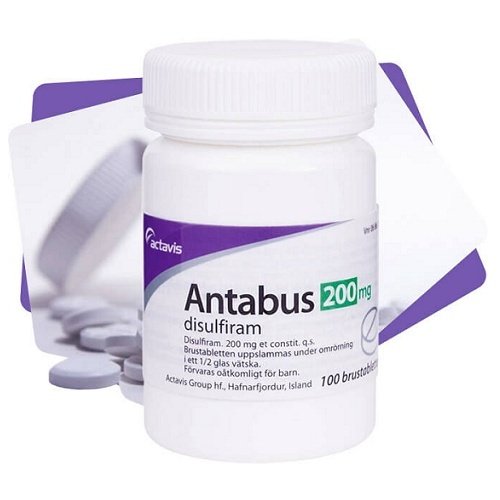
Antabuse (Disulfiram) in the United States: Ultimate Guide to Safe, Effective Use for Alcohol Dependence
Is Antabuse Prescription-Only in the United States?
Key Facts: Antabuse at a Glance
| Parameter | Value |
|---|---|
| Active Ingredient | Disulfiram |
| Indication | Alcohol Dependence (supporting abstinence) |
| Prescription Requirement | Prescription only (Rx) |
| Onset of Action | Within 1–2 hours after ingestion |
| Main Contraindication | Current intoxication, severe cardiac/liver disease |
| Cost Range (2026, USA) | $50–$120/month (varies by pharmacy and insurance) |
| Common Side Effects | Drowsiness, metallic taste, skin rash |
| FDA Approval Status | Approved (since 1951) |
Bottom line: Antabuse interrupts alcohol metabolism, causes unpleasant reactions with alcohol, and is a prescription treatment for alcohol dependence in the United States.
How Does Antabuse Work in the Body? (Mechanism of Action Explained)
Antabuse (disulfiram) blocks the enzyme aldehyde dehydrogenase (ALDH) in the liver. Normally, your body metabolizes alcohol in two steps:
- Step 1: Alcohol is converted to acetaldehyde (a toxic byproduct).
- Step 2: Acetaldehyde is further broken down into harmless acetic acid by ALDH.
When you take Antabuse, ALDH is inhibited. As a result, if you drink alcohol, acetaldehyde builds up in your blood, leading to extremely unpleasant symptoms: flushing, rapid heartbeat, nausea, vomiting, headache, and more (the “disulfiram reaction”). These effects can start as soon as 10 minutes after alcohol intake and may last for several hours.
Metaphor: Imagine your liver as a two-stage filter. Antabuse jams the second filter, so toxins from alcohol pile up, making you feel instantly ill if you drink.
Key point: Antabuse only works if you abstain from alcohol completely. It does not reduce cravings or treat withdrawal symptoms—it acts as a deterrent.
Recent studies (2024) confirm this classic mechanism remains unchanged; no new major pharmacologic mechanisms have been identified.1
How Should I Take Antabuse? Dosage and Timing Guidelines
| Step | Details |
|---|---|
| Starting Dose | Typically 500 mg once daily for 1–2 weeks, or as directed by your provider. |
| Maintenance Dose | Usually 250 mg daily (range 125–500 mg), adjusted based on response and tolerance. |
| When to Take | Take in the morning; if drowsiness occurs, take at bedtime. Take with or without food. |
| Maximum Dose | 500 mg/day is recommended maximum. Do not double doses. |
| Duration | As prescribed—usually for months or longer, depending on recovery plan. |
| Tablet Splitting | Some tablets may be split; check with your pharmacist. |
| Missed Dose | Take as soon as remembered unless close to next scheduled dose. Do not double up. |
Important: You must not consume alcohol for at least 12 hours before starting Antabuse. Drinking even small amounts can trigger a dangerous reaction.
Dosage adjustments are needed for elderly patients and those with mild liver or kidney impairment. Always follow your provider’s instructions.
Does Food, Alcohol, or Lifestyle Affect Antabuse?
Alcohol
- Strictly prohibited. Even tiny amounts (mouthwash, sauces, cough syrup) can cause a severe reaction.
- Alcohol must be avoided at least 12 hours before the first dose and for up to 14 days after stopping Antabuse.
Food
- Fatty meals do not significantly affect absorption.
- Tablets can be taken with or without food; food may reduce stomach upset.
Grapefruit Juice / Other Drinks
- No clinically significant interaction with grapefruit juice has been reported.
Lifestyle Factors
- Patients should check all over-the-counter products for hidden alcohol.
- Inform your provider about all herbal supplements and other medications.
Myth vs Reality: Myth: “Antabuse works even if I drink occasionally.” Reality: Drinking any amount of alcohol while on Antabuse can trigger a medical emergency.
Who Should NOT Take Antabuse? Contraindications and Special Precautions
- Absolute Contraindications (Never Use):
-
- Current intoxication (do not start until at least 12 hours sober)
- Severe heart disease (e.g., recent myocardial infarction, heart failure)
- Severe liver disease or cirrhosis
- History of psychosis or severe mental illness
- Known hypersensitivity to disulfiram or excipients (inactive ingredients)
- Pregnancy (disulfiram is not recommended; safety not established)
- Relative Contraindications (Use with Caution):
-
- Moderate liver or kidney impairment
- Diabetes mellitus (may alter glucose tolerance)
- Elderly (may require lower doses)
- History of epilepsy or seizures
- Important Interactions:
-
- Metronidazole, isoniazid—increased risk of neurotoxicity or psychosis
- Phenytoin, warfarin—disulfiram may increase levels, monitor closely
- How long after a cardiac event?
-
- No clinical studies have established a precise waiting period. Initiate only after cardiologist clearance and stabilization.
If you are unsure, consult your provider before starting Antabuse.
What Side Effects Are Most Common with Antabuse?
Very Common (>1/10):
- Drowsiness
- Metallic or garlic-like taste in mouth
Common (1/100 to 1/10):
- Skin rash
- Acne or mild dermatitis
- Headache
- Fatigue
- Impotence
Uncommon/Rare (1/1,000 to 1/100):
- Hepatitis (liver inflammation)
- Neuropathy (nerve pain or tingling)
- Psychotic reactions (hallucinations, confusion)
- Optic neuritis (vision disturbance)
Very Rare (<1/10,000):
- Severe liver failure (potentially fatal)
- Allergic reactions (anaphylaxis)
Explanation: Most side effects are mild and temporary. The rare but serious effects are why regular monitoring is required.
What to do if you experience side effects:
- Stop Antabuse and call your doctor if you notice yellowing of the skin/eyes, mental changes, or severe rash.
- For mild symptoms, report them at your next appointment.
Remember: The reaction from mixing Antabuse and alcohol can be life-threatening. Call 911 if you have chest pain, difficulty breathing, or severe symptoms.
Antabuse vs Other Alcohol Dependence Treatments: Side-by-Side Comparison
| Criteria | Antabuse (Disulfiram) | Naltrexone (Revia, Vivitrol) | Acamprosate (Campral) |
|---|---|---|---|
| Mechanism | ALDH inhibitor (deterrent) | Opioid receptor antagonist (reduces reward) | Modulates glutamate (reduces craving) |
| Onset Speed | 1–2 hours | Within days | 3–8 days |
| Duration of Action | 24–48 hours | 24 hours (oral), 1 month (injection) | 8–12 hours |
| Main Side Effects | Drowsiness, rash, metallic taste | Nausea, headache, anxiety | Diarrhea, flatulence, insomnia |
| Craving Reduction | No | Yes | Yes |
| Alcohol Reaction | Severe (dangerous) | None | None |
| Prescription Required? | Yes | Yes | Yes |
| Cost (monthly) | $50–$120 | $80–$1,200 (varies by formulation) | $130–$180 |
What it can do: Antabuse is best for people strongly motivated to avoid drinking, who want a clear deterrent.
What it cannot do: It does not reduce alcohol cravings—other medications may be preferred if craving is the main challenge.
Key Characteristics Table: Antabuse Overview
| Parameter | Details |
|---|---|
| Metabolism | Liver (hepatic); excreted by kidneys and lungs |
| Half-life | ~60–120 hours (active metabolites) |
| Driving/Machinery | May impair alertness; use caution |
| Pregnancy/Breastfeeding | Not recommended (insufficient safety data) |
| Insurance Coverage | Commonly covered by most private/commercial insurers and Medicaid |
| Generics Available? | Yes (multiple manufacturers in United States) |
How to Obtain Antabuse Legally in the United States: Step-by-Step Guide
-
Consult with a licensed healthcare provider.
- This may be your primary care physician, addiction specialist, or psychiatrist.
- Telehealth services are increasingly available and legitimate in most states.
-
Undergo a medical evaluation.
- Screening includes a medical history, lab tests (liver function, etc.), and a discussion of your recovery goals.
-
Receive a prescription if appropriate.
- If Antabuse is safe and indicated, your provider will send an electronic prescription to your chosen pharmacy.
-
Fill your prescription at a licensed US pharmacy.
- Most major chains (CVS, Walgreens, Rite Aid) and independent pharmacies stock Antabuse and its generics.
-
Begin treatment under provider supervision.
- Your doctor/pharmacist will give you instructions and monitor for side effects.
Never purchase Antabuse from unverified online sources. These may sell counterfeit or dangerous products and are not legal in the United States.
How to Spot Counterfeit or Substandard Antabuse
- Packaging: Original Antabuse comes in blister packs or bottles labeled “Disulfiram” or “Antabuse” with manufacturer and lot number. Look for clear printing, FDA NDC (National Drug Code), and, for generics, the name of a well-known US manufacturer (e.g., Teva, Mylan).
- Tablet Appearance: Round or oval, often white to off-white. Each tablet should have a scored line and identification code. No unusual colors or powdery residue.
- Quality Markers: US packaging may include tamper-evident seals or, in some cases, a QR code linked to the pharmacy’s verification system. Holograms are not standard in the US.
- Price: A price that is dramatically lower than the typical $50–$120/month range may indicate a counterfeit product.
- Generics: Disulfiram generics are FDA-approved, have identical active ingredient, and are considered equally effective. Inactive ingredients (excipients) may vary and can cause rare allergies—always check the leaflet.
- If in doubt: Ask your pharmacist to verify authenticity or check your product using the FDA’s BeSafeRx resources.
What To Do in Case of Antabuse Overdose?
- Stop taking Antabuse immediately.
- Call 911 or your local emergency number right away.
- Tell medical professionals the exact amount and time of ingestion.
- Do NOT induce vomiting unless instructed by poison control.
- If possible, bring the medication packaging to the hospital.
Symptoms of overdose: Nausea, vomiting, unsteady walking, confusion, low blood pressure, respiratory depression, and—rarely—seizures or coma.
Can I Take Antabuse With Other Medications? Compatibility Table
| Medication/Product | Can Be Combined? | Risks/Consequences |
|---|---|---|
| Alcohol (any form) | NO | Severe, potentially fatal reaction |
| Metronidazole | NO | Risk of psychosis/neurologic events |
| Warfarin | Use caution | Increased bleeding risk (monitor INR) |
| Antidepressants (SSRIs) | Usually yes | No major interactions reported |
| Over-the-counter cold remedies | Check label | Many contain alcohol—read ingredients |
Always provide your pharmacist or provider with a full list of your medications and supplements.
Frequently Asked Questions About Antabuse
- 1. Can Antabuse be used every day?
- Yes, it is typically taken once daily, at the same time each day, as prescribed by your provider.
- 2. How soon after drinking alcohol can I start Antabuse?
- You must wait at least 12 hours after your last drink to start Antabuse to avoid dangerous reactions.
- 3. Is Antabuse covered by insurance in the United States?
- Most commercial insurance plans and Medicaid cover Antabuse or its generic, disulfiram. Copays and coverage levels vary.
- 4. Can I buy Antabuse online without a prescription in the US?
- No, it is illegal and unsafe. Only purchase from licensed US pharmacies with a prescription.
- 5. Does Antabuse treat alcohol cravings?
- No, it works as a deterrent by causing adverse effects if alcohol is consumed. It does not reduce craving.
- 6. What happens if I drink alcohol while on Antabuse?
- You may experience a severe reaction—flushing, nausea, vomiting, rapid heartbeat, and potentially life-threatening complications. Avoid all alcohol.
- 7. How long should I take Antabuse?
- Duration depends on your recovery plan—often months or longer. Regular follow-up with your provider is essential.
- 8. Are there alternatives to Antabuse?
- Yes, other FDA-approved options include naltrexone and acamprosate. Your provider can advise which is best for you.
- 9. What should I do if I miss a dose?
- Take the missed dose as soon as you remember unless it’s close to your next dose. Do not double up.
- 10. Can I drive while taking Antabuse?
- Use caution. Some people experience drowsiness or reduced alertness. Do not drive until you know how Antabuse affects you.
You Are Not Alone: Support and Next Steps
Alcohol dependence is a common, treatable condition affecting millions across the United States. It is not a moral failing—it’s a medical and psychological challenge. Many people find that combining medication like Antabuse with counseling or support groups leads to the greatest long-term success. Consider speaking honestly with your provider, loved ones, or a support network. Recovery is possible.
References
- United States Food & Drug Administration. Disulfiram [label and approval history]. Accessed May 2026. FDA Label
- Jonas DE, Amick HR, Feltner C, et al. Pharmacotherapy for Adults With Alcohol Use Disorders in Outpatient Settings. JAMA. 2024;331(12):1161–1172. JAMA Study
- United States National Library of Medicine. Disulfiram. MedlinePlus. Accessed May 2026. MedlinePlus
- Garbutt JC. The State of Pharmacotherapy for the Treatment of Alcohol Use Disorder. Alcohol Res. 2025;41(1):03–15. Peer-reviewed review
- Substance Abuse and Mental Health Services Administration (SAMHSA). Medication for the Treatment of Alcohol Use Disorder: A Brief Guide. 2026 Update. SAMHSA Guide
- United States Department of Health and Human Services. BeSafeRx: Your Source for Online Pharmacy Information. Accessed May 2026. FDA BeSafeRx