- Home/
- Buy Zithromax Online in the United States – Fast Shipping Available
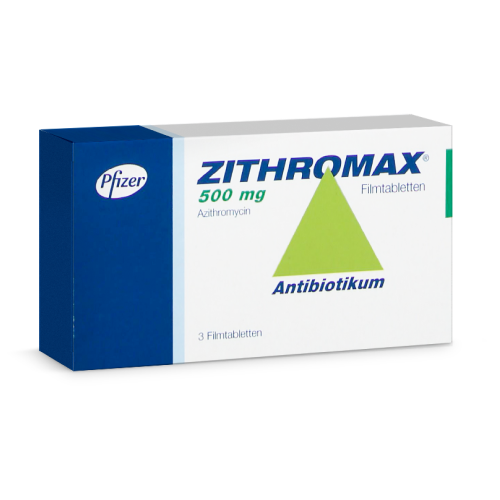
Why Zithromax Gets Prescribed When Other Antibiotics Don’t
Picture this: You wake up with a cough that’s gotten worse, a sore throat that won’t quit, and the kind of fatigue that makes getting out of bed feel like an Olympic event. Your mind races to antibiotics—will your doctor give you Zithromax, or something else, or nothing at all?
In real-world practice across the United States, Zithromax is both one of the most requested and one of the most carefully chosen antibiotics by physicians. Why? Because it offers a unique combination: a broad range of activity against bacteria, a very short treatment course, and a side effect profile that patients (and prescribers) often find more manageable than older antibiotics.
Clinical Insight: Many people believe Zithromax is a “stronger” or “safer” antibiotic than others. In reality, it is not stronger—it is simply different. For certain infections where resistance to other antibiotics is rising, or where convenience and adherence matter most, azithromycin’s characteristics shine.
- Doctors may reach for Zithromax in patients who struggle with multi-day or multi-dose regimens—its once-a-day, short-course schedule is hard to beat.
- It’s often used when a patient has allergies to penicillins or cephalosporins, as it belongs to a different antibiotic class (macrolide).
- Zithromax is not a go-to for every sore throat or cough; in fact, it’s specifically advised against for viral infections and situations where resistance is likely.
The real advantage? When prescribed for the right infection, Zithromax’s simplicity makes it easier for patients to finish the course, increasing the likelihood of a full recovery and reducing the risk of antibiotic resistance.
Is Zithromax the Right Antibiotic for Your Infection—or Your Life?
Start with what you want most: to get better, with as little hassle as possible. Zithromax is famous for its “Z-Pak”—the five-day regimen that feels almost too good to be true when you’re used to 10-day courses of other antibiotics. That’s more than just marketing; azithromycin’s long tissue half-life means it keeps working in your body after the last pill is swallowed.
But “convenient” does not mean “right for everyone or everything.” Zithromax is not the most powerful antibiotic on the shelf, nor is it effective against every type of bacteria. In practice, it’s most often chosen for:
- Acute bronchitis, especially when caused by atypical pathogens
- Community-acquired pneumonia (mild to moderate cases)
- Some skin and soft tissue infections
- Certain sexually transmitted diseases (like chlamydia)
- Sinusitis, but only in select cases where other antibiotics have failed or can’t be used
For strep throat? Penicillins or cephalosporins remain first-line choices. For urinary tract infections? Zithromax isn’t on the list. The key is matching the drug’s strengths to the bug causing your infection—and to your personal health situation.
What Azithromycin Does Differently in Your Body
Azithromycin isn’t just another antibiotic. Compared to alternatives, it lingers longer in tissues, reaches higher concentrations where bacteria live, and works by halting the growth of bacteria rather than killing them outright.
- Macrolide antibiotic
- A class of antibiotics that disrupts bacterial protein synthesis, making it harder for bacteria to multiply.
- Tissue penetration
- Zithromax achieves high concentrations in lung, sinus, and skin tissues, which helps explain its effectiveness for many respiratory and skin infections.
This means a typical course is short, but the benefits last longer. You may stop swallowing pills after five days, but azithromycin’s effects keep going—helping finish the job. But this same feature brings trade-offs:
- Longer “tail” in the body means side effects, if they occur, may linger after the last dose.
- Interactions with other drugs, especially those affecting heart rhythm, can last longer too.
- Overuse (especially for viral infections) encourages resistant bacteria that are harder to treat. This has become a real public health threat in the United States.
Several antibiotics work faster or hit different bacteria harder, but very few combine Zithromax’s ease of use, broad coverage, and relative tolerability. That’s why, despite being older than many people realize (FDA approval came in 1991), it’s still a staple in American clinics.
How Zithromax Is Taken: The Dosing Details That Matter
The simplicity of the Zithromax “Z-Pak” is legendary, but it’s not one-size-fits-all. Different infections, ages, and personal health factors change both the dose and the length of treatment.
| Indication | Standard Adult Dose | Days of Treatment | Common Alternatives |
|---|---|---|---|
| Acute bronchitis, sinusitis | 500 mg on Day 1, then 250 mg once daily | 5 days | Amoxicillin, Doxycycline |
| Community-acquired pneumonia | 500 mg daily | 3 days (sometimes 5) | Levofloxacin, Doxycycline |
| Chlamydia (uncomplicated) | 1,000 mg (single dose) | 1 day | Doxycycline |
These doses assume normal kidney and liver function. For children, dose is usually calculated by body weight. If you have underlying liver or kidney disease, or take medications that interact with azithromycin, your doctor may recommend a different regimen—or avoid Zithromax entirely.
For most adults, the pill can be taken with or without food, but taking it with a light meal may reduce stomach upset.
Which Side Effects Matter Most with Zithromax—And When to Act
Most people tolerate Zithromax well, but like all antibiotics, it isn’t without risks. For every patient who breezes through a five-day course, there’s another who calls their doctor about diarrhea, rash, or a racing heartbeat. Which reactions really matter? Which are just uncomfortable, and which require you to stop the medication immediately?
- Stomach upset: Nausea, diarrhea, and abdominal pain are the most common side effects. These usually resolve within a day or two after finishing the course.
- Allergic reactions: Rash, itching, or swelling can signal an allergic response. Severe reactions (trouble breathing, face or throat swelling) are medical emergencies—seek help immediately.
- Heart rhythm changes: Azithromycin can prolong the QT interval (a measure on EKG) in rare cases, leading to dangerous arrhythmias—especially in people with pre-existing heart issues, low potassium or magnesium, or those taking other QT-prolonging drugs. Call your doctor if you feel faint, have palpitations, or experience unexplained dizziness.
- Liver issues: Jaundice, dark urine, or severe fatigue may indicate liver problems. These are rare but serious, and need prompt medical evaluation.
| Side Effect | Frequency | When to Contact a Doctor |
|---|---|---|
| Nausea/Diarrhea | Up to 10% | If severe, persistent, or causing dehydration |
| Rash/Allergic reaction | 1-5% | Any rash with swelling, blisters, or difficulty breathing: seek urgent care |
| Heart rhythm change | Rare (<1%) | Palpitations, fainting, severe dizziness: call doctor immediately |
| Liver injury | Very rare | New jaundice, dark urine, severe fatigue: stop drug, call doctor |
Some side effects, like mild stomach upset, are uncomfortable but not alarming. Others, like heart rhythm changes or severe allergic reactions, are emergencies. When in doubt, contact your healthcare provider or pharmacist for guidance.
Zithromax vs. Common Antibiotics: What Actually Differs?
Every patient wants to know: Is Zithromax any better—or worse—than amoxicillin, doxycycline, or levofloxacin? The answer is: it depends entirely on the infection, your medical history, and what bacteria are most likely involved.
| Attribute | Zithromax (Azithromycin) | Amoxicillin | Doxycycline |
|---|---|---|---|
| Common uses | Bronchitis, pneumonia, sinusitis, STDs, skin infections | Strep throat, ear infections, sinusitis, pneumonia, UTIs | Respiratory infections, acne, STDs, tick-borne diseases |
| Dosing schedule | Once daily for 3-5 days (or one-time dose for STDs) | 2-3 times daily for 7-10 days | Once or twice daily for 7-14 days |
| Food restrictions | With or without food | With food | Avoid dairy, certain minerals |
| Common side effects | GI upset, rare heart effects | GI upset, allergic reactions | GI upset, photosensitivity |
| Major contraindications | Severe liver disease, certain heart conditions | Penicillin allergy | Pregnancy, children under 8 |
| Resistance rates (approx.) | Rising for some bacteria | Moderate, varies by region | Lower for many indications |
| Prescription required in US? | Yes | Yes | Yes |
Interpretation: Zithromax is not universally “better” or “safer”—it is simply different. It stands out for its ease of use, short course, and broad (but not unlimited) bacterial coverage. Amoxicillin is generally preferred for strep and ear infections, while doxycycline covers some infections Zithromax does not touch. Your doctor’s choice often comes down to likely bacteria, your allergy history, and how likely you are to finish the full course.
Doctor’s Perspective: “In my practice, Zithromax is sometimes chosen for convenience—especially for patients who have trouble sticking with longer courses. But I don’t use it where resistance is an issue, or where a beta-lactam antibiotic (like amoxicillin) is clearly superior. The patient’s context always drives the decision.”
Can Anyone Take Zithromax? When Not to Take This Antibiotic
- You have had a severe allergic reaction (anaphylaxis) to azithromycin or any other macrolide antibiotic (like erythromycin or clarithromycin).
- You have a known history of liver failure associated with prior azithromycin use.
- You are taking certain medications that interact dangerously with Zithromax (such as some antiarrhythmics that prolong the QT interval), unless your doctor has specifically cleared it.
- You have existing heart rhythm disorders (QT prolongation, arrhythmias).
- You are elderly and on other medications that affect the heart’s rhythm.
- You have significant liver or kidney disease.
- You are pregnant or breastfeeding—safety data is generally reassuring, but the risk/benefit needs to be discussed.
Even if none of these apply to you, always tell your provider about all medications and supplements you take. Some over-the-counter products (like antacids or supplements containing magnesium or aluminum) can interfere with absorption of azithromycin if taken too close to your dose.
- Zithromax is rarely a first-line antibiotic for children under six months of age unless specifically recommended by a pediatrician.
- People with myasthenia gravis may experience worsening muscle weakness with azithromycin—alternatives should be considered.
When in doubt, discuss your full medical and medication history with your doctor or pharmacist before starting Zithromax.
Accessing Zithromax in the United States: Prescriptions, Cost, and Availability
In the United States, Zithromax is a prescription-only antibiotic. You cannot legally purchase it without a valid prescription from a healthcare provider. This rule exists to protect patients from unnecessary antibiotic exposure, which fuels drug resistance and can cause serious harm.
- Pharmacy access: Available at nearly all retail pharmacies and many mail-order services. Generic azithromycin is widely stocked, and is the version most patients receive.
- Telemedicine: Many online platforms now offer telehealth visits, but legitimate providers will still require a clinical evaluation before prescribing Zithromax.
- Insurance coverage: Most health plans, including Medicare and Medicaid, cover generic azithromycin. Copays vary widely based on your plan; uninsured patients can expect to pay more, but generic pricing tends to be affordable.
- Regulatory oversight: The FDA regulates all forms of azithromycin, ensuring quality and safety.
Brand-name Zithromax is rarely dispensed anymore, as generic forms are equally effective and much less expensive. The “Z-Pak” is a common formulation (six tablets: 500 mg on Day 1, then 250 mg daily for four more days), but other pack sizes exist for specific infections.
What If Zithromax Doesn’t Work—Or Side Effects Don’t Go Away?
Occasionally, you may finish Zithromax and still feel sick. Or, you may develop side effects that persist long after the pills are gone. When should you worry, and what should you do?
- Persistent symptoms
- If your infection hasn’t improved within 72 hours of completing the course, contact your doctor. You may have an infection caused by bacteria resistant to azithromycin, or your illness may not be bacterial at all.
- Side effects that linger
- Mild nausea or diarrhea can last for several days after treatment due to azithromycin’s long half-life. Most resolve on their own, but if you are unable to keep down fluids, develop worsening abdominal pain, or notice blood in your stool, seek medical attention.
- Recurrent infection
- Finishing the prescribed course reduces relapse risk, but some infections require longer or different antibiotics. Never restart Zithromax on your own without physician guidance.
Doctors in the United States regularly see patients who assume that because Zithromax is “easy,” it can be used casually or for every infection. Overuse leads to more resistant bacteria, which in turn means more difficult or even untreatable infections for everyone.
FAQ: Zithromax and Your Questions, Answered
- Can I take Zithromax for a cold or flu?
- No, Zithromax only treats bacterial infections and will not help with viral illnesses like the common cold or influenza. Taking antibiotics unnecessarily increases resistance and can lead to side effects.
- Does Zithromax interact with common medications?
- Yes, especially with drugs that affect heart rhythm (such as certain antiarrhythmics) and blood thinners like warfarin. Always tell your provider about all medications and supplements before starting Zithromax.
- How soon should I feel better on Zithromax?
- Most patients notice improvement within 48-72 hours. However, some infections, such as pneumonia, may take longer. If you’re not seeing progress by the end of your course, check in with your doctor.
- Is it safe to drink alcohol while on Zithromax?
- Moderate alcohol does not directly interfere with azithromycin, but drinking can worsen stomach upset and may interfere with recovery. It’s generally best to avoid alcohol until you’ve finished treatment and feel well.
- What do I do if I miss a dose?
- Take the missed dose as soon as you remember, unless it’s almost time for your next scheduled dose. In that case, skip the missed one and continue as usual—do not double up. Completing the full course is important for success.
- Can I stop Zithromax once I feel better?
- No—always finish the prescribed course unless you are told by your doctor to stop. Stopping early can cause the infection to return and contribute to resistance.
- Is there a difference between brand-name Zithromax and generic azithromycin?
- No clinically meaningful difference exists in effectiveness or safety. Generics are FDA-approved and held to the same standards as the original product.
- Should I be concerned about antibiotic resistance with Zithromax?
- Yes—overuse and misuse of any antibiotic, including Zithromax, drives resistance. Only use it for prescribed bacterial infections, and never share or save leftover pills for another illness.
Sources / References
- U.S. Food and Drug Administration (FDA)
- Antibiotic Use in the United States, CDC
- Azithromycin (Zithromax): Mayo Clinic
- Azithromycin Prescribing Information, Pfizer, 2023
- PubMed (for clinical studies on azithromycin)
- Infectious Diseases Society of America (IDSA) Guidelines
- Clinical Practice Guideline for the Diagnosis and Management of Group A Streptococcal Pharyngitis: IDSA, 2012