- Home/
- Buy Seroquel Online in the United States – Fast US Delivery
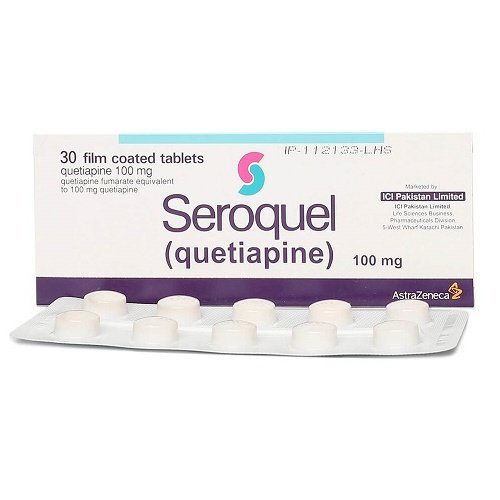
| Name on Prescription | Seroquel |
|---|---|
| Main Substance | Quetiapine |
| Purpose / Approved Uses | Treatment of schizophrenia, bipolar disorder, and major depressive episodes |
| Strengths Available | 25 mg, 50 mg, 100 mg, 200 mg, 300 mg, 400 mg tablets |
| How Quickly It Starts Working | Noticeable effects typically within 1–2 weeks; some individuals may feel changes sooner |
| Duration Each Dose Lasts | 6–12 hours (immediate-release); up to 24 hours (extended-release) |
| Dispensing Rules | Prescription required in United States |
| Usual Dosing Pattern | Daily, usually taken once or twice per day as advised |
| Estimated Price Range (U.S.) | $25–$400/month (varies by dose, brand/generic, and pharmacy) |
Seroquel: Guidance for Mental Health Decisions in United States
Seroquel is a prescription medication approved in the United States for the management of schizophrenia, bipolar disorders, and as an add-on for certain depressive conditions. Its main component, quetiapine, acts on brain chemistry to address symptoms that affect mood and thinking. It is regulated by the U.S. Food and Drug Administration (FDA), making it a legally available option for those seeking evidence-based mental health treatment.
Understanding Your Experience: Mental Health Struggles Are Common and Addressable
Living with persistent mood changes, unmanageable thoughts, or emotional swings can feel isolating—but you are far from alone. According to the National Institute of Mental Health (NIMH), in 2022, approximately 5.5% of U.S. adults had at least one major depressive episode, and about 2.8% were affected by bipolar disorder (nimh.nih.gov). Schizophrenia, though less common, still impacts nearly 1 in every 200 adults in the U.S. (NIMH, 2022). These conditions disrupt relationships, work, and daily functioning, but they are recognized, researched medical issues—not personal failings. Effective treatment options exist, and many people do find relief.
How Seroquel Addresses Mental Health Disorders: Mechanism and Effects
Seroquel targets specific chemical messengers in the brain—mainly dopamine and serotonin. These neurotransmitters influence mood, thought patterns, and perception. In conditions like schizophrenia and bipolar disorder, their balance is often disrupted, leading to symptoms such as hallucinations, extreme mood swings, or depressive episodes.
- Dopamine regulation: Seroquel attaches to dopamine receptors, limiting the effect of excess dopamine that can cause psychotic symptoms (e.g., hearing voices or delusional thinking). The result: reduced hallucinations and clearer thinking.
- Serotonin modulation: By also affecting serotonin signals, Seroquel helps stabilize mood and can relieve depressive or anxious states.
- Practical impact: Most people do not experience immediate change after the first dose; instead, gradual improvement is seen over days to a few weeks. Sleep may improve earlier, but core symptoms may take longer to respond.
For the patient, these changes can look like a reduction in distressing thoughts, fewer mood swings, improved ability to function at work or home, and better sleep. The medication’s action is not to “cure” but to manage and diminish the severity of symptoms, making daily life more stable.
Is Seroquel the Right Fit? Matching Treatment to Your Situation
| If this describes you… | Seroquel may be appropriate because… | Consider alternatives if… |
|---|---|---|
| You have been diagnosed with schizophrenia or schizoaffective disorder, and previous medications caused intolerable side effects. | Seroquel often has a lower risk of movement disorders (like tremors) compared to some older antipsychotics. | — |
| You experience depressive episodes as part of bipolar disorder, and standard antidepressants have not helped or worsened symptoms. | Seroquel is FDA-approved for bipolar depression and can stabilize mood without triggering mania. | — |
| You are seeking relief primarily for insomnia or mild anxiety without a diagnosis of bipolar disorder or schizophrenia. | — | Seroquel is not recommended for primary insomnia or routine anxiety due to risks of metabolic side effects; non-antipsychotic sleep or anxiety medications may be safer and more effective. |
| You are elderly, especially with dementia-related behavioral problems. | — | Seroquel (and similar drugs) carry an increased risk of stroke and death in elderly patients with dementia; alternative approaches are advised. |
| You have a history of severe allergic reaction to quetiapine or similar medications. | — | Seroquel is contraindicated; discuss other medication options with your specialist. |
This table is not exhaustive. The exact suitability should be determined with a licensed mental health clinician in the context of your full medical history and current symptoms.
How Seroquel Is Used: Practical Guidance for Real Life
Seroquel is formulated in immediate-release and extended-release (XR) versions. For most mental health conditions, it is taken once or twice daily, with or without food, at roughly the same times each day. The starting dose and target dose are tailored—some begin at 25 mg and gradually increase to 300 mg or more, depending on the condition.
- Missed a dose? If it is only a few hours late, take it as soon as you remember. If it is almost time for your next dose, skip the missed one—do not double up.
- No effect after weeks? For some, full benefits take up to 4–6 weeks. If you notice no improvement or worsening symptoms after this period, do not change the dose yourself—contact your prescriber to review your plan.
- Normal effects: Drowsiness, mild dizziness, or increased appetite often appear early and may fade. These are common and expected.
- What requires attention: Severe drowsiness, rash, rapid heart rate, or unexplained fever should prompt a call to your doctor.
- Stopping suddenly: Do not stop Seroquel abruptly without medical advice—sudden cessation can cause sleep disturbance, nausea, or return of symptoms.
Consult your healthcare provider before making any changes, especially if you are taking other medications or have other health conditions. Consistency in the routine is key—try to take your medicine at the same time each day.
Contraindications: Who Should Not Take Seroquel?
- History of allergy to quetiapine: Seroquel should not be used if you have previously had an allergic reaction (such as swelling, rash, or breathing difficulty) because re-exposure can cause serious, even life-threatening reactions.
- Elderly patients with dementia-related psychosis: Use is avoided because studies show increased risk of stroke and death; this risk outweighs potential benefits in this population.
- Severe liver impairment: Seroquel is mainly processed by the liver; those with significant liver dysfunction may not tolerate it safely, as the drug can accumulate to dangerous levels.
- Concomitant use with certain medications: Combining Seroquel with drugs that strongly inhibit liver enzymes (like some antifungals or antibiotics) can dangerously increase blood levels of quetiapine.
- Prolonged QT interval (heart rhythm problem): Seroquel may further increase risk of severe arrhythmias in those with this heart condition.
If any of these situations apply, discuss safer alternatives with your healthcare provider. This list is not exhaustive, and a thorough medical evaluation is essential before starting Seroquel.
Potential Side Effects: What to Expect and When to Seek Help
- Common (may affect up to 1 in 10): Sleepiness, dry mouth, mild weight gain, constipation, dizziness. These often improve with time or dose adjustment.
- Occasional (less than 1 in 100): Faster heartbeat, low blood pressure when standing, increased cholesterol or blood sugar (especially with longer use).
- Rare but serious: Severe muscle stiffness, high fever, confusion (possible neuroleptic malignant syndrome); involuntary movements; severe allergic reactions (swelling, rash, trouble breathing).
- Warning signs for immediate care: If you develop severe muscle pain, confusion, sudden chest pain, or signs of an allergic reaction, call 911 or your local emergency service at once.
The majority of patients tolerate Seroquel with only mild, manageable side effects. Notify your prescriber if side effects are troublesome or persistent.
Interactions: What Not to Combine with Seroquel
- Strong CYP3A4 inhibitors: Medications like ketoconazole, clarithromycin, and certain HIV drugs can raise Seroquel levels dangerously. Your doctor may need to adjust your dose or suggest different medications.
- Other sedating drugs: Alcohol, benzodiazepines, or opioid painkillers may increase drowsiness or respiratory depression when combined with Seroquel.
- Drugs that affect heart rhythm: Some antiarrhythmics, antibiotics, or antidepressants can increase the risk of abnormal heart rhythms if taken with Seroquel.
Always provide your full medication list to your healthcare provider. Never adjust or combine medications without professional input, as interactions can be serious.
Alternatives and Comparisons: How Does Seroquel Measure Up?
| Medication | Main Use | Key Advantages | Primary Limitations |
|---|---|---|---|
| Seroquel (Quetiapine) | Schizophrenia, bipolar disorder, adjunct for depression | Less movement side effects, useful for mood and sleep, flexible dosing | Can cause sedation, weight/metabolic changes, not first-line for elderly or insomnia alone |
| Risperidone | Schizophrenia, bipolar, aggression | Often effective at lower doses, available in injectable form | More likely to cause movement disorders (tremors, stiffness) |
| Olanzapine | Bipolar, schizophrenia | Rapid effect for mania, can be used for acute agitation | Notable for marked weight gain and blood sugar increases |
| Aripiprazole | Schizophrenia, bipolar, adjunct for depression | Less sedating, smaller risk of weight gain | May cause restlessness and insomnia; not as effective for sleep problems |
| Lurasidone | Bipolar depression, schizophrenia | Minimal metabolic side effects, can be taken once daily | Can cause nausea, must be taken with food, less sedating |
Seroquel is especially considered when sedation is needed alongside mood stabilization, and when movement-related side effects with other antipsychotics are problematic. For primary sleep problems, anxiety, or in elderly patients, other options or non-antipsychotic approaches may be safer. Discussing these trade-offs openly with your prescriber leads to the best individual outcome.
What You Will Actually Pay: Full Cost Breakdown for Seroquel in United States
| Cost item | Amount | Note |
|---|---|---|
| Doctor consultation (psychiatrist/telemedicine) | $100–$350 per session | Varies by provider, region, and insurance. Telemedicine is often at the lower end. |
| Prescription fee (if separate) | $0–$25 | Often included with consultation, but sometimes charged separately for electronic prescriptions. |
| Seroquel/Quetiapine tablets | $25–$400 per month | Generic options are less expensive; brand may cost more. Price depends on dose and pharmacy. |
| Standard shipping/delivery | $0–$20 | Some online pharmacies provide free shipping, others charge based on location and speed. |
| Total | $125–$795 (first month; subsequent months typically $25–$400) | First visit includes consultation; ongoing costs are mainly medication and delivery. |
Insurance coverage can significantly reduce these costs. Many pharmacies offer discounts or savings programs for generics. If ordering online, verify the pharmacy is licensed and based in the U.S. to avoid counterfeit medications or legal complications.
What Else Might You Be Wondering?
-
Can I buy Seroquel online without a prescription in the United States?
Legally, Seroquel is a prescription-only medication. Some online outlets may offer it without a prescription, but this is not sanctioned by U.S. law and carries risks: counterfeit medication, poor quality, or legal issues. For your safety, use only pharmacies certified by the National Association of Boards of Pharmacy (nabp.pharmacy). -
Is a generic available?
Yes. Quetiapine is available as a lower-cost generic in the United States, produced by multiple FDA-approved manufacturers. Efficacy and safety are held to the same standards as the branded version. -
What if I take an accidental overdose?
Symptoms may include severe drowsiness, rapid heartbeat, fainting, or difficulty breathing. If an overdose is suspected, seek urgent help by calling the U.S. Poison Control Center at 1-800-222-1222 or 911 for immediate assistance. -
Do I need regular check-ups?
Yes—routine medical monitoring is recommended during treatment, especially for blood sugar, cholesterol, and weight. Your provider will advise on the schedule based on your individual risk factors and medication dose.
Taking a step toward treatment—whether with Seroquel or another approach—can be daunting, but with informed guidance and professional support, most people find a regimen that restores stability and improves quality of life.